When matched to your board, boots and ride style, snowboard bindings transfer energy and respond to your body’s shifts for precise control. Choose bindings based on your riding style, ability level, board/boots compatibility and comfort.
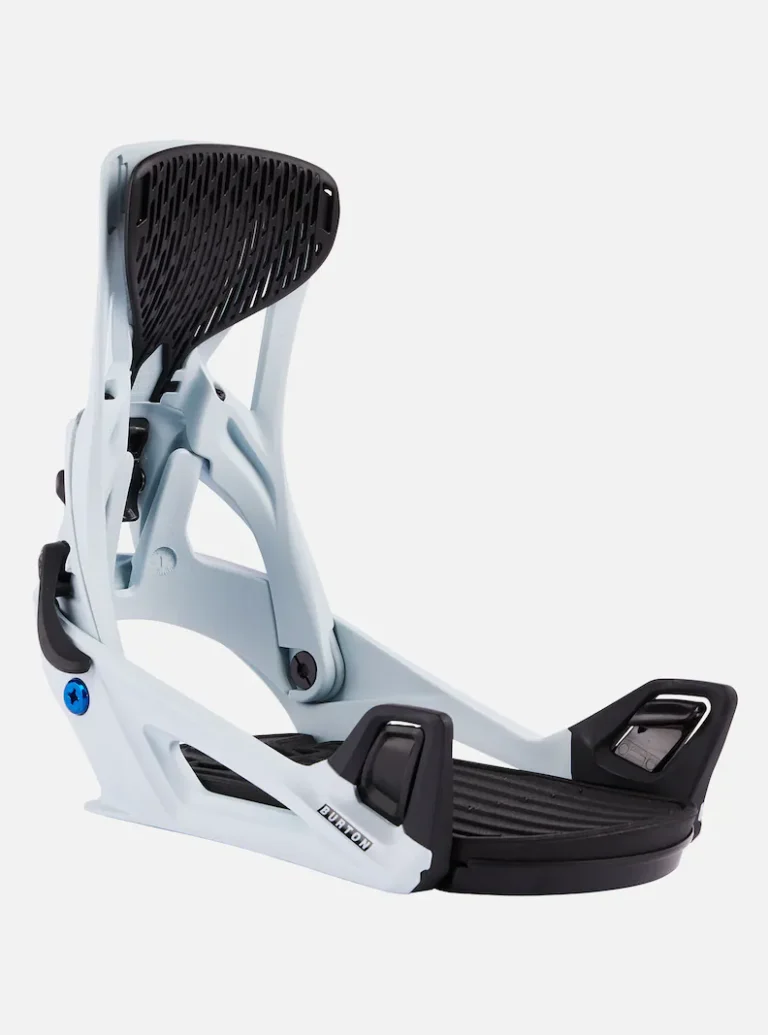
Step On Binding
Step On bindings are for riders who do it all, any terrain and all riding styles. They balance high-end comfort with a playful, responsive feel, all with the intuitive ease of Step On. The kickback Hammock suspension enhances performance and comfort, while full underfoot cushioning keeps you riding longer. Micro-adjust the lean to suit your stance, step on, and ride.
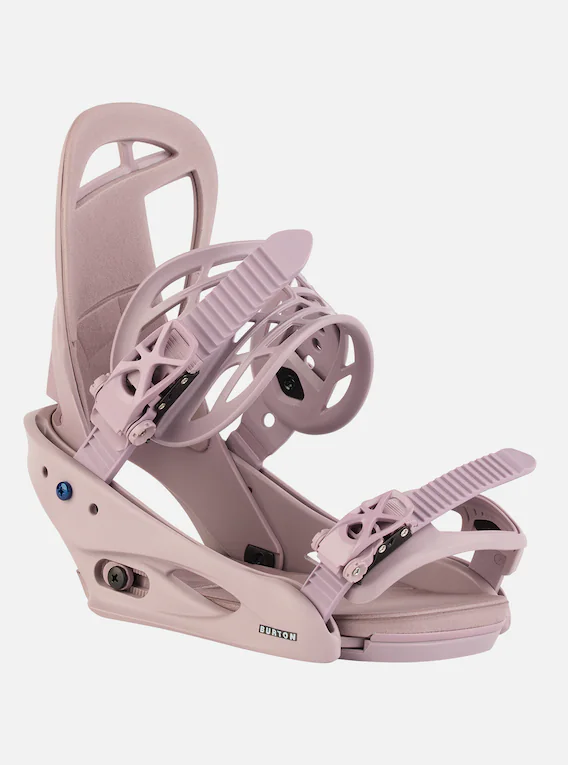
Flex Binding
Flex bindings lightweight design includes full-bed cushioning to absorb shock, reduce fatigue, and keep you riding longer. Easy-entry straps make buckling up a breeze, and consistent flex makes for a responsive feel that lets you push your riding. Flex baseplates are universally compatible with all major mounting systems.
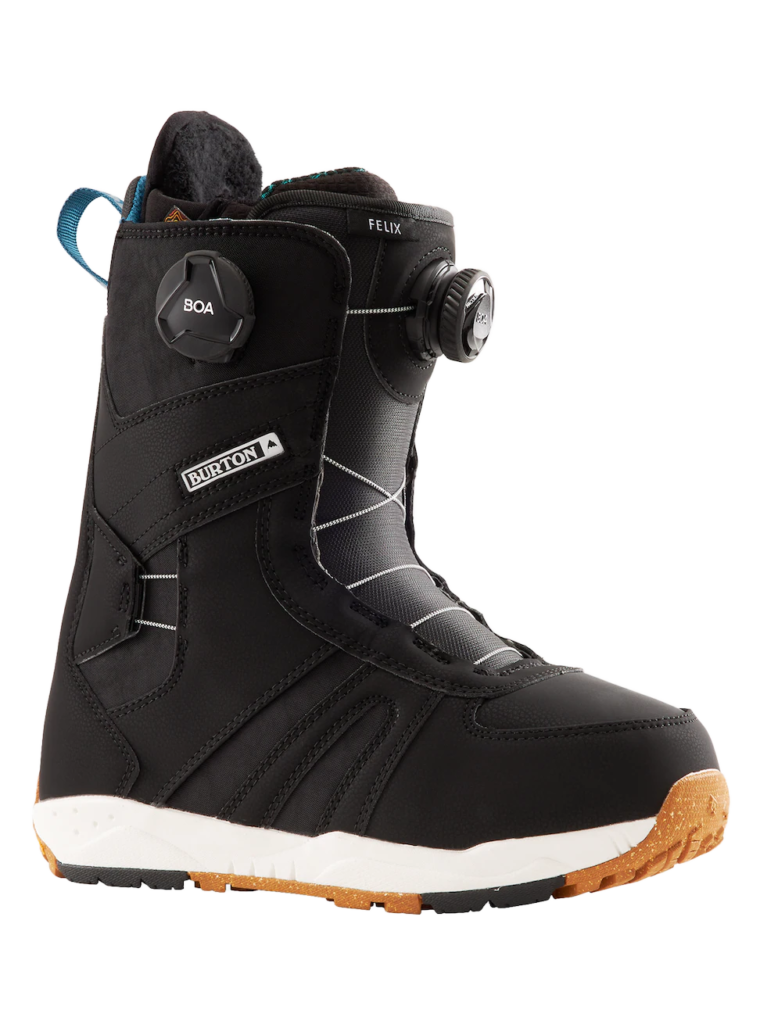
Boots
Snowboard boots should be your first acquisition when assembling a board-boots-binding setup. You want boots to fit comfortably so you can move on to bindings and create a great match. Snowboard boot sizing matches standard footwear sizing. If possible, shop for boots later in the day, since feet naturally swell to a larger size during afternoon and evening hours. Boots should fit snugly but not to the point of circulation-constricting tightness. Ensure that the fit in the rear of the boot is snug. When you lean forward you want your board, not your heels, to rise.
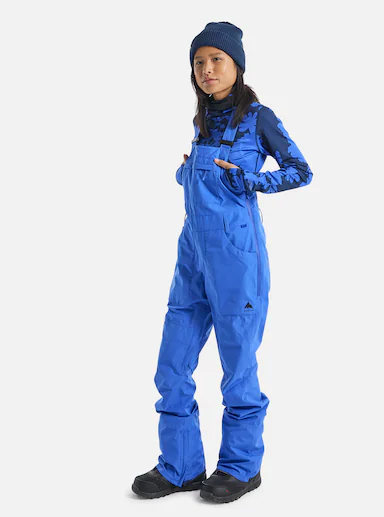
Clothing
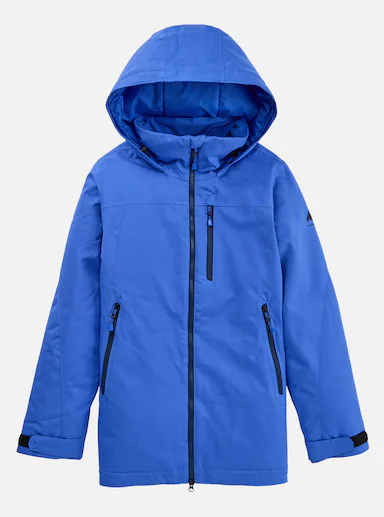
These are usually waterproof or water resistant, and insulated, with convenient pockets and other snow-specific features. A waterproof/breathable rain jacket over your fleece or wool top would be sufficient as well, though its slickness might lengthen any slides you make after a fall.
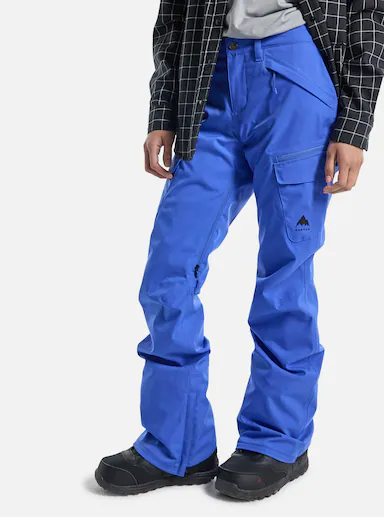
Waterproof or water resistant, and insulated, these sometimes have convenient pockets, vents and features to prevent snow entering your boots. Waterproof/breathable rain pants or bibs would be sufficient as well. You can add fleece pants underneath for greater insulation.
Helmet
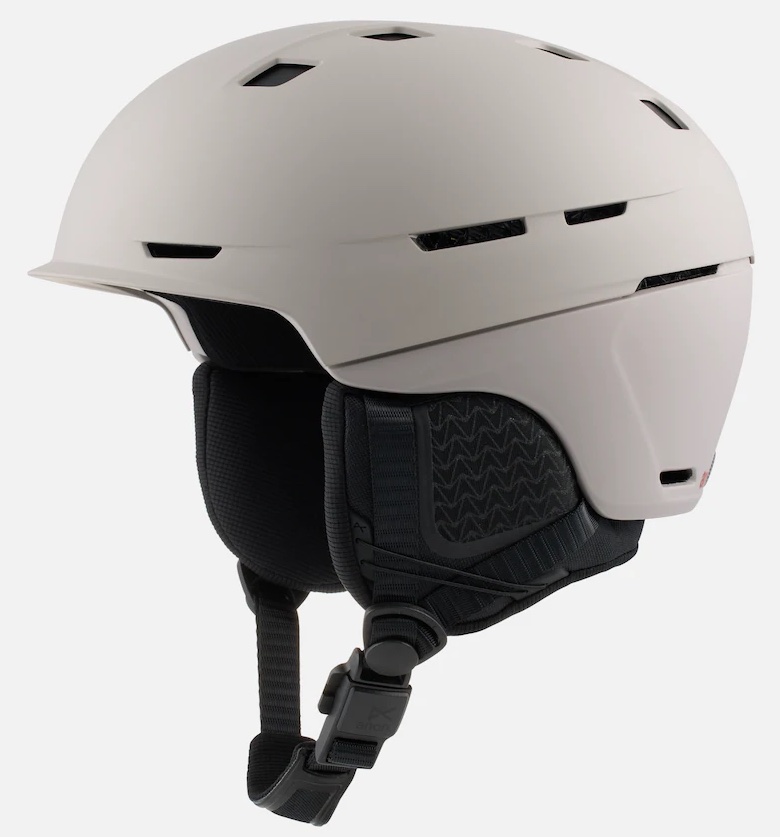
Not mandatory, but highly recommended, a helmet helps protect your head, and it keeps your head and ears warm and dry. (Wear a warm hat if you’re not using a helmet.) Most ski resorts rent these, so you don’t have to buy one right away.
Goggles
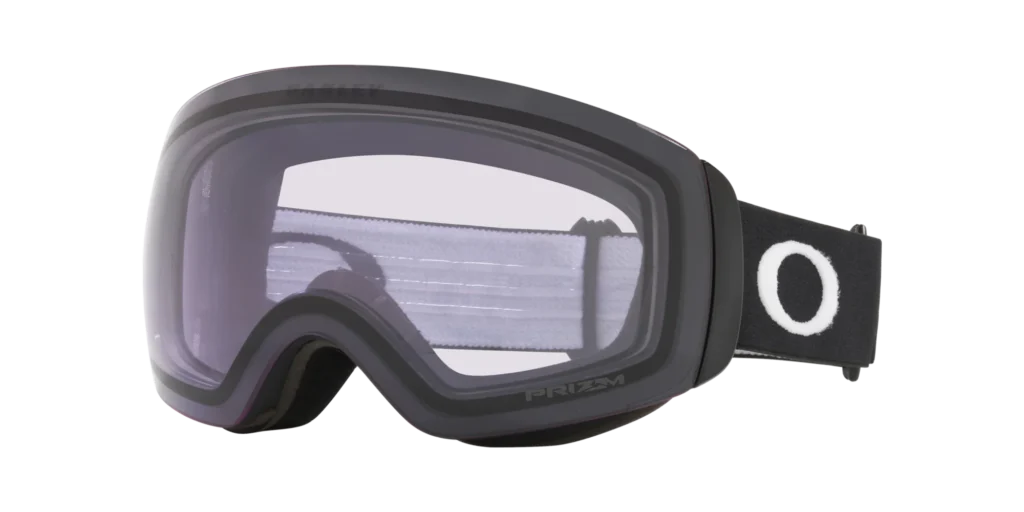
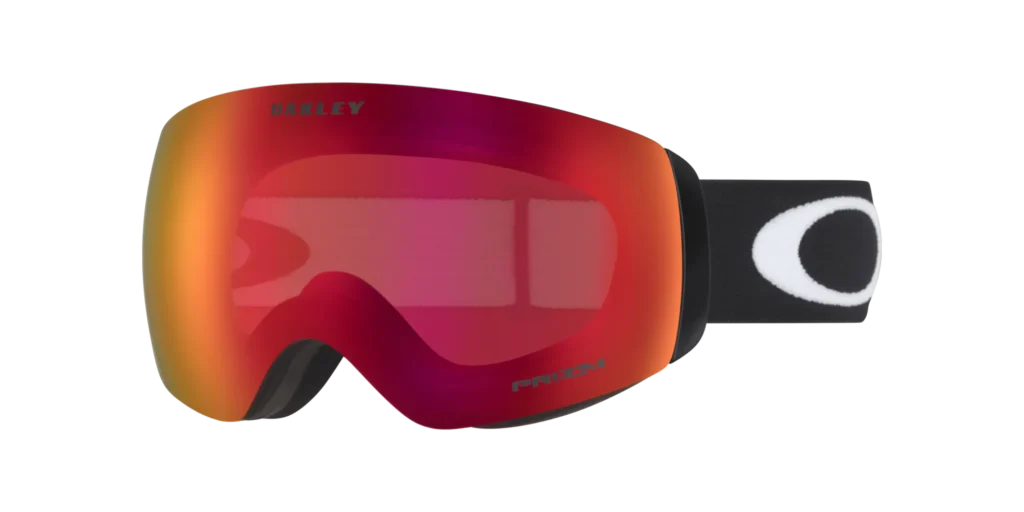
These protect your eyes from wind, snow and glare. Check that they work with your helmet, your face shape and fit over glasses if you wear them. You want them to fit without gaps. If you don’t own a pair, see if you can borrow some from a friend for a day. If it’s not actively snowing, sunglasses are a fine substitute.
Clear Lens
The clear lens is the only solution for extreme weather and light conditions, as the brightness and visibility are scarce or very poor. In fact, it reduces the reflections of artificial light and offers protection from the air making it essential for riding.
Colored Lens
Colored lenses are suitable for the most varied lighting conditions because they are able to “lighten” and make the vision clearer in conditions of weak light but at the same time guarantee perfect vision while protecting the best eyes even in the most intense light conditions.